
In highly mobile applications such as mobile energy storage vehicles and emergency backup power trucks, system power ratings are rapidly evolving from hundreds of kilowatts to the megawatt (MW) level. When a single energy storage vehicle is expected to deliver 1 MW of output power, traditional AC-coupled architectures begin to reveal their limitations.
Today, taking real-world mobile energy storage applications as an example, let's explore why DC-coupled architecture is becoming an indispensable solution for MW-scale systems.
Existing Challenges of MW-Class Mobile Energy Storage Vehicles
As mobile charging vehicles and emergency backup power vehicles scale up to MW-level power ratings, traditional AC-coupled energy storage architectures face a fundamental challenge: fast recharging becomes increasingly difficult.
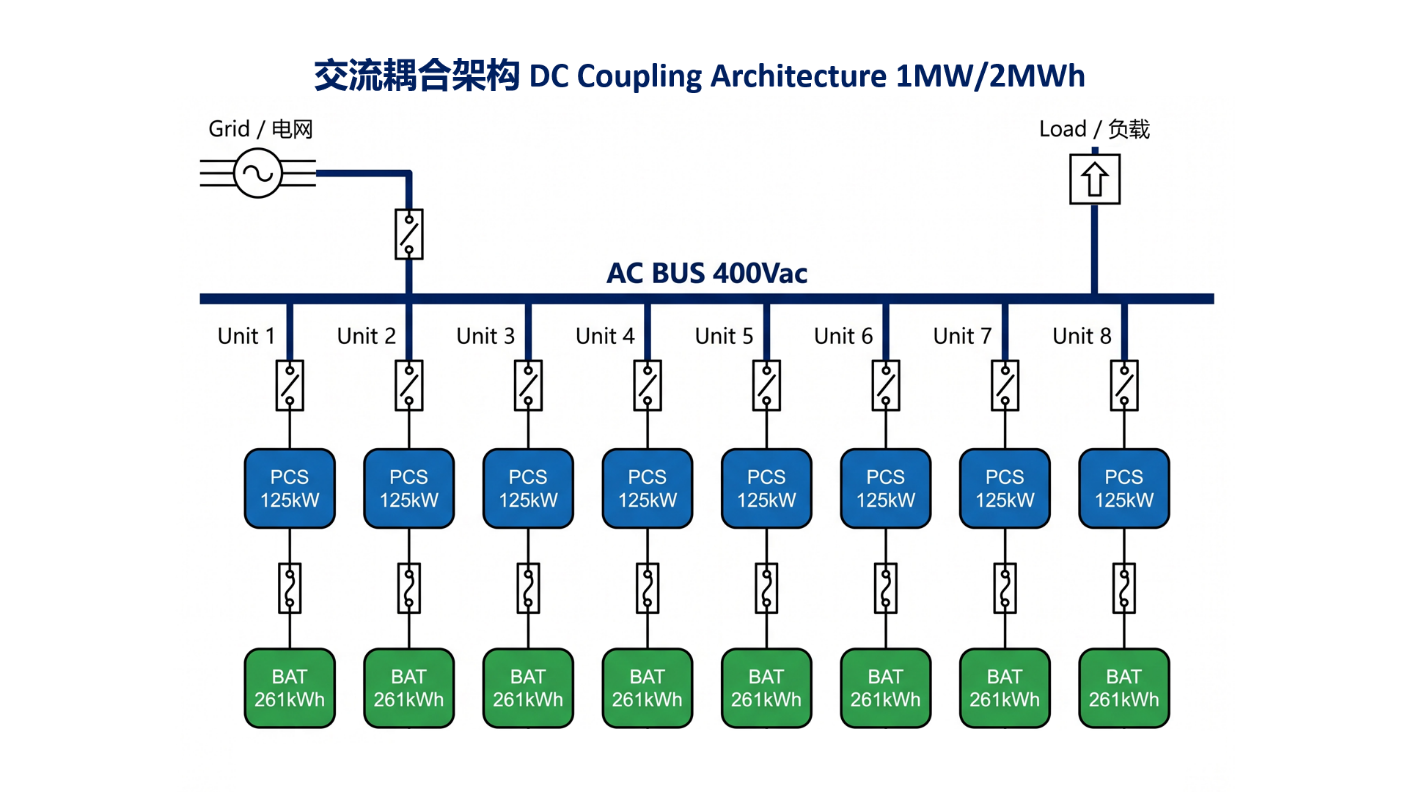
Figure 1 Conventional AC Architecture (1MW / 2MWh)
Core Challenge: Fast Energy Replenishment
Under a conventional AC-coupled architecture, high-power charging through the AC side is often constrained by grid capacity limitations. As a result, charging speed becomes a major bottleneck.Alternatively, dedicated high-power AC charging infrastructure must be deployed. However, the additional investment, maintenance costs, and relatively low utilization rate of such charging facilities create significant economic burdens.
For mobile energy storage vehicles, delivering high discharge power is important—but slow energy replenishment can be equally critical.
Why DC Coupling Matters: Simplifying Energy Routing
To address these challenges, DC coupling provides a more streamlined and efficient solution. The core concept is simple: all key components, including battery systems and PCS units, are connected to a common DC bus, enabling rapid energy replenishment through high-power DC charging infrastructure.
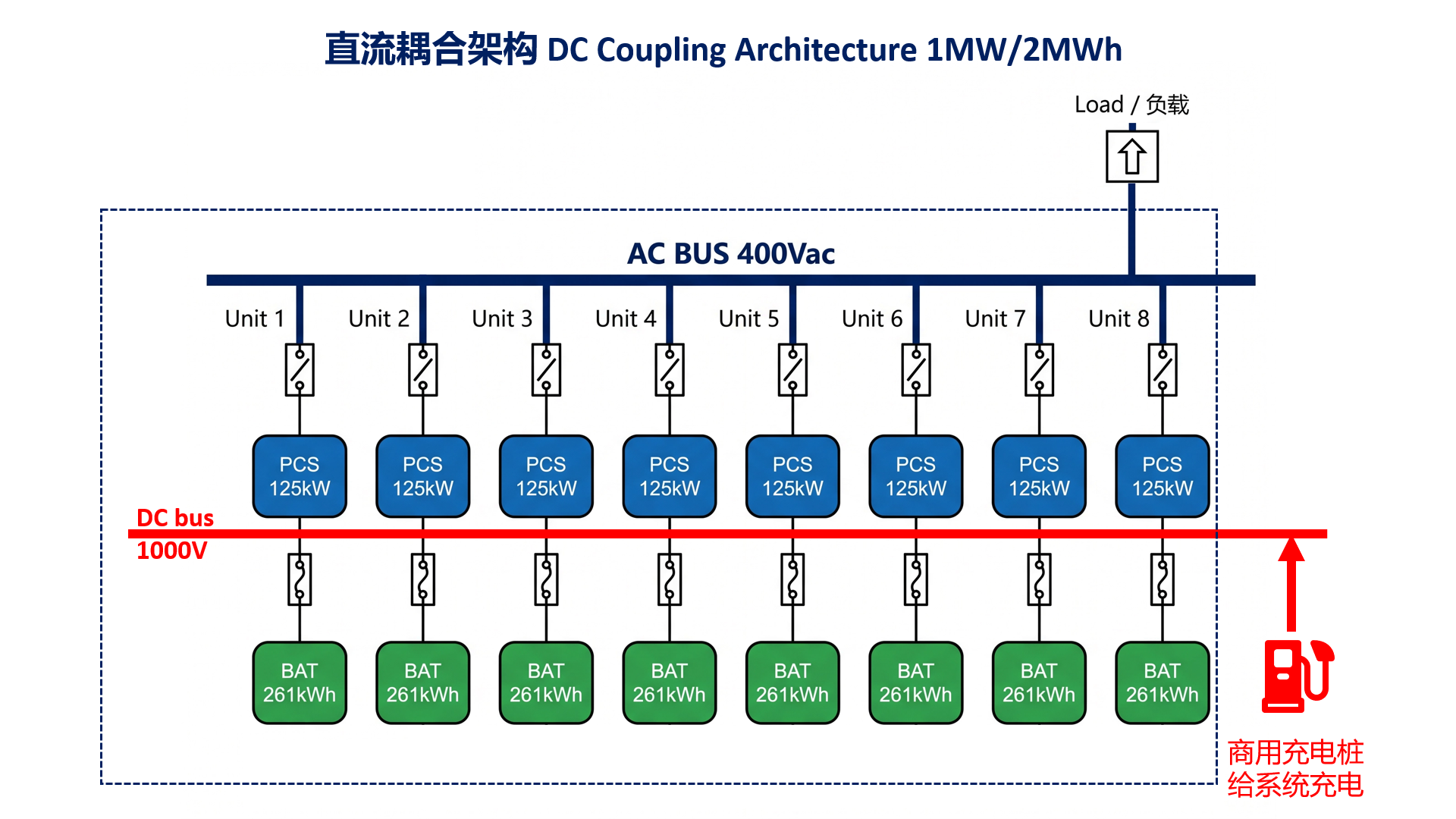
Figure 2 Fast Charging via Commercial DC Charger
Advantage #1
Charging Freedom Through Existing Commercial DC Charging Networks
This is perhaps the most compelling advantage of DC coupling in mobile energy storage applications. After completing a mission, a mobile energy storage vehicle must quickly restore its energy reserves and return to service. With a DC-coupled architecture, the vehicle can directly connect to existing commercial DC fast-charging stations and utilize mature charging infrastructure for high-power DC charging—without requiring bulky AC charging equipment or being constrained by AC-side capacity limitations.
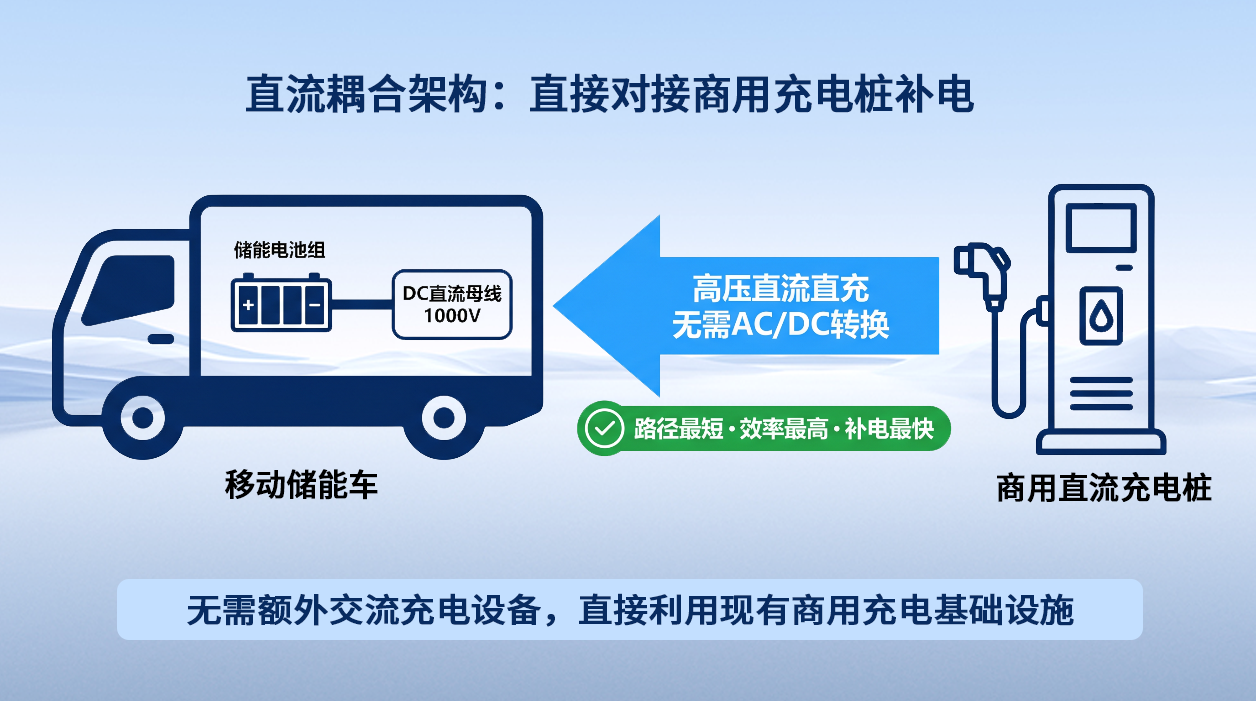
Figure 3 Fast Charging via Commercial DC Charger
The battery system receives high-voltage DC power directly through the DC bus, creating the shortest possible charging path and maximizing charging power . This significantly improves vehicle mobility and operational efficiency, especially in emergency backup power applications where rapid deployment and quick turnaround are essential.
Advantage #2
Unified Energy Management Through Power-Energy Decoupling
Under a DC bus architecture, multiple PCS units can be connected directly to the same DC bus to form a 1 MW power platform. This architecture enables complete decoupling between power conversion units (PCS) and energy storage units (battery clusters).As a result, the unexpected failure of a single PCS unit does not affect the available battery capacity, significantly improving system reliability and operational continuity.
DC coupling is not simply an evolution in system design—it bridges the final gap between mobile energy storage vehicles and existing charging infrastructure.
The Industry Trend:Engineering Practice of MW-Class DC Microgrids
As system complexity increases, DC architecture is no longer merely an optimization option—it is becoming the most logical underlying system structure.
The transition from equipment integration to system-level thinking is an inevitable step in the evolution of MW-scale energy storage, and this trend has already matured into proven engineering practice.
The image below shows Topology Electric Power's 1 MW cabinet solution based on a DC-coupled architecture with eight PCS units operating in parallel.
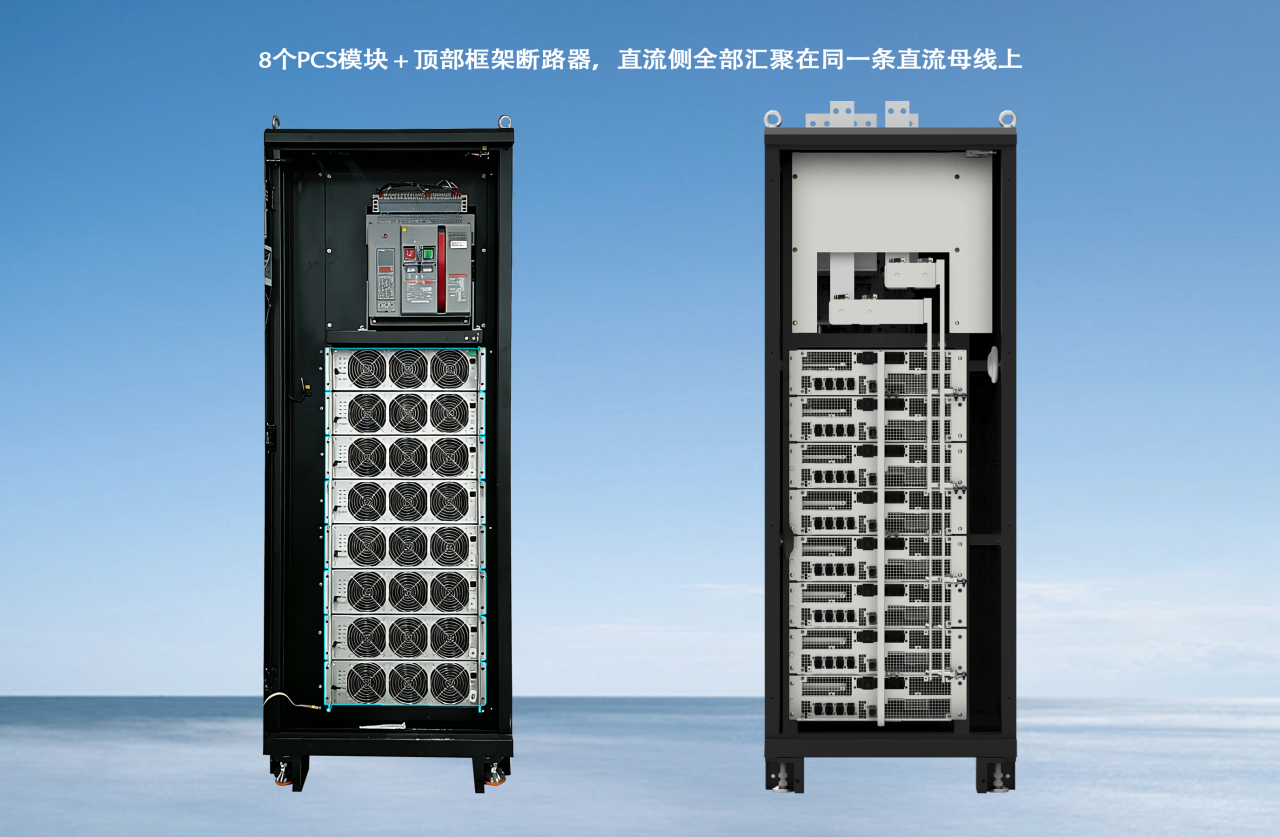
Figure 4 1MW / 8-Unit PCS Parallel Cabinet (Real Product)
Within this system, eight 125 kW PCS modules are neatly arranged at the bottom of the cabinet.Each module operates independently while working seamlessly with the others, combining through a common DC bus to deliver a total output capability of 1 MW.At the top of the cabinet, an air circuit breaker (ACB) provides overcurrent protection and main circuit control, ensuring safe and reliable operation even under extremely high power conditions.
This modular physical structure perfectly illustrates the essence of DC bus architecture: A failure in any individual module does not cause a system-wide shutdown, while maintenance and power expansion remain highly convenient. It truly enables a "building-block" approach to MW-scale energy storage deployment.
At the same time, when a single PCS unit encounters a fault, it can automatically disconnect from the system. Only the corresponding power capacity is affected, while the battery capacity remains fully available. This significantly enhances system survivability and improves the overall user experience.
Beyond Mobile Energy Storage:The Same PCS Architecture Also Powers MW-Class DC Microgrids
It is worth noting that this DC bus-based PCS parallel architecture is not limited to mobile energy storage vehicles.
MW-scale DC microgrids face a similar challenge: establishing efficient and reliable bidirectional AC/DC power conversion between the DC bus and the external AC utility grid.This eight-unit PCS parallel architecture is naturally suited for this application.Each PCS functions as a bidirectional AC/DC converter, and when eight units operate in parallel, the system enables MW-level bidirectional power flow between DC microgrids and AC utility networks.
This supports flexible operation across grid-connected, off-grid, and islanded modes.
In other words, the value of this architecture extends far beyond enabling mobile energy storage vehicles to utilize charging stations.More importantly, it provides a robust AC/DC conversion foundation for MW-scale DC microgrids.Whether for industrial park DC distribution systems or integrated energy management solutions in ports, airports, and other large-scale facilities, the same PCS architecture offers a reliable answer.
As mobile energy storage systems evolve toward MW-scale power levels, DC coupling has demonstrated clear advantages through simplified energy routing, compatibility with commercial DC charging infrastructure, and highly scalable modular architecture.The result is a compelling solution for next-generation mobile energy storage applications.
And the capabilities of this PCS architecture extend far beyond mobile energy storage.It also serves as the core AC/DC conversion platform for MW-scale DC microgrids.More application insights and technical discussions on DC microgrids and additional energy storage scenarios will be shared soon—stay tuned!

